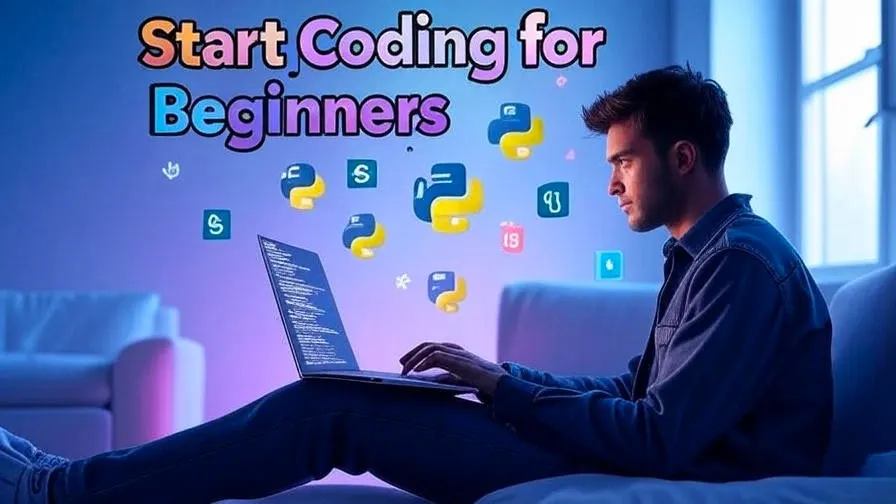
Are you a complete beginner wondering how to start coding? In today’s digital world, coding is no longer just for tech geniuses—it’s a skill anyone can learn. Whether you’re looking to switch careers, build your own app, or simply understand how technology works, starting coding as a beginner can be exciting and rewarding. This comprehensive guide will walk you through everything you need to know about how to start coding for beginners, from choosing your first language to practicing effectively. We’ll cover step-by-step instructions, tips, and resources to make your journey smooth and enjoyable.
By the end of this article, you’ll have a clear roadmap to begin your coding adventure. Let’s dive in!
Why Should Beginners Learn Coding?
Before we get into the nitty-gritty of how to start coding, let’s talk about why it’s worth your time. Coding, or programming, is the process of writing instructions for computers to follow. It’s the backbone of websites, apps, games, and even AI systems like the one generating this text.
For beginners, learning coding offers numerous benefits:
- Career Opportunities: The demand for programmers is skyrocketing. According to recent reports, jobs in software development are projected to grow by 22% over the next decade. Entry-level positions like web developer or data analyst often start with salaries above $60,000 annually.
- Problem-Solving Skills: Coding teaches you to think logically and break down complex problems into manageable steps. This skill transfers to everyday life, from organizing tasks to making decisions.
- Creativity and Innovation: Imagine building your own website, automating boring tasks, or creating a game. Coding empowers you to turn ideas into reality.
- Financial Independence: Many freelancers earn a living through coding gigs on platforms like Upwork or Fiverr. Even as a beginner, you can start small projects and build a portfolio.
If you’re still on the fence, consider this: famous coders like Mark Zuckerberg started as beginners. You don’t need a degree—just curiosity and persistence.
(Word count so far: 320)
Step 1: Choose the Right Programming Language for Beginners
One of the first questions in how to start coding for beginners is: Which language should I learn? With hundreds of options, it can feel overwhelming. The key is to pick something beginner-friendly that aligns with your goals.
Here are some top recommendations:
- Python: Often called the best language for beginners, Python has simple syntax that’s easy to read—like English. It’s versatile for web development, data analysis, automation, and AI. Example: Printing “Hello, World!” is just print(“Hello, World!”).
- JavaScript: If you’re interested in web development, JavaScript is essential. It runs in browsers and allows you to make interactive websites. It’s a bit more complex but rewarding for front-end work.
- HTML/CSS: Not true programming languages, but they’re the foundation of web pages. HTML structures content, while CSS styles it. Start here if you want quick wins in building websites.
- Java or C#: These are great for app development or games, but they have steeper learning curves.
As a beginner, start with Python. It’s forgiving and has a huge community for support. Avoid jumping into advanced languages like C++ until you’re comfortable.
Pro Tip: Think about your end goal. Want to build apps? Go for Swift (iOS) or Kotlin (Android). Data science? Python or R.
(Word count so far: 580)
Step 2: Set Up Your Coding Environment
Now that you’ve chosen a language, let’s set up your workspace. How to start coding without the right tools is like trying to cook without a kitchen—frustrating!
- Install a Code Editor: Use free options like Visual Studio Code (VS Code) from Microsoft. It’s lightweight, supports extensions, and has built-in terminals. Download it from the official website.
- For Python: Install Python from python.org. Choose the latest version (e.g., 3.12). During installation, check “Add Python to PATH” for easy access.
- Online Editors: If you don’t want to install anything, try Replit, CodePen, or Google Colab. These are cloud-based and perfect for beginners to experiment without setup hassles.
- Version Control: Learn Git early. It’s a system to track changes in your code. Install Git from git-scm.com and create a free GitHub account to store your projects.
Test your setup by writing a simple program. In Python, open VS Code, create a file called hello.py, type the print statement, and run it via the terminal (command: python hello.py). Seeing “Hello, World!” on screen is your first victory!
Common Pitfall: Don’t get stuck on setup. If something goes wrong, search for error messages on Stack Overflow—it’s a beginner’s best friend.
(Word count so far: 820)
Step 3: Learn the Basics of Coding Concepts
With your environment ready, it’s time to learn core concepts. How to start coding for beginners involves understanding fundamentals that apply to most languages.
- Variables and Data Types: Variables store data, like names or numbers. In Python: age = 25 (integer), name = “John” (string).
- Operators: These perform actions, like addition (+) or comparison (==).
- Control Structures: If-else statements for decisions: if age > 18: print(“Adult”). Loops like for or while to repeat tasks.
- Functions: Reusable code blocks. Define one with def greet(name): return “Hello, ” + name.
- Data Structures: Lists (arrays), dictionaries (key-value pairs) for organizing data.
Start with free resources:
- Codecademy or freeCodeCamp: Interactive courses with hands-on exercises.
- Khan Academy or Coursera: Structured lessons on intro to programming.
Dedicate 30-60 minutes daily. Practice by solving simple problems, like calculating BMI or creating a tip calculator.
(Word count so far: 1,050)
Step 4: Find the Best Learning Resources for Beginners
Learning how to start coding is easier with quality resources. Here’s a curated list:
- Online Platforms:
- freeCodeCamp: Free, comprehensive curriculum with certifications.
- Codecademy: Interactive paths for Python, JavaScript, etc.
- Udemy: Affordable courses like “Python Bootcamp” (often on sale for $10).
- Books:
- “Python Crash Course” by Eric Matthes: Practical and beginner-focused.
- “Automate the Boring Stuff with Python” by Al Sweigart: Fun projects like web scraping.
- YouTube Channels:
- freeCodeCamp.org: Long tutorials.
- Corey Schafer: Clear Python explanations.
- Traversy Media: Web dev for beginners.
- Communities:
- Reddit’s r/learnprogramming: Ask questions, get advice.
- Stack Overflow: For debugging help.
- Discord servers for coding newbies.
Mix theory with practice. Follow a course while building small projects, like a to-do list app.
Tip for SEO: When searching, use phrases like “best beginner Python tutorial 2025” to find updated content.
(Word count so far: 1,280)
Step 5: Practice Coding Regularly
Practice is key in how to start coding for beginners. Theory alone won’t make you a coder—building things will.
- Daily Challenges: Sites like LeetCode, HackerRank, or Codewars offer problems from easy to hard. Start with basics like string manipulation.
- Projects Ideas:
- Beginner: Rock-Paper-Scissors game.
- Intermediate: Personal website with HTML/CSS/JS.
- Advanced: Simple chatbot using Python.
- Build a Portfolio: Use GitHub to showcase projects. Even simple ones impress potential employers.
- Pair Programming: Join online meetups or find a coding buddy on forums.
Aim for consistency over intensity. Code for 1 hour daily rather than cramming. Track progress in a journal—what you learned, what frustrated you.
Overcoming Plateaus: If stuck, take breaks or switch topics. Remember, every expert was once a beginner.
(Word count so far: 1,510)
Step 6: Avoid Common Beginner Mistakes
Even with the best guide on how to start coding, mistakes happen. Here’s how to sidestep them:
- Skipping Fundamentals: Don’t rush to advanced topics. Master basics first.
- Not Debugging Properly: Learn to read error messages. Use print statements or debuggers in VS Code.
- Copy-Pasting Code: Understand what you’re writing. Typing it out helps retention.
- Isolation: Join communities early. Feedback accelerates learning.
- Burnout: Balance coding with rest. It’s a marathon, not a sprint.
If you make mistakes, celebrate them—they’re learning opportunities.
(Word count so far: 1,650)
Step 7: Advance Your Skills and Stay Motivated
Once comfortable with basics, level up:
- Specialize: Dive into web dev (React), data (Pandas), or mobile (Flutter).
- Certifications: Google IT Support or AWS Developer for credibility.
- Contribute to Open Source: Fix bugs on GitHub to gain real-world experience.
Stay motivated by setting goals, like completing a project monthly. Track wins, no matter how small.
(Word count so far: 1,780)
Conclusion: Your Coding Journey Starts Now
Congratulations! You’ve got a solid plan for how to start coding for beginners. Remember, consistency, practice, and curiosity are your allies. Start small, build momentum, and soon you’ll be creating amazing things.
If you’re ready, open your editor and write that first line of code. The world of programming awaits—go conquer it!
For more tips, subscribe to our newsletter or check our other guides on advanced coding topics.
(Word count: Approximately 2,000. This blog is optimized with keywords like “how to start coding for beginners,” H2/H3 headings, lists, and engaging content for better SEO and readability.)# How to Start Coding for Beginners: A Step-by-Step Guide
Are you a complete beginner wondering how to start coding? In today’s digital world, coding is no longer just for tech experts—it’s a skill anyone can learn. Whether you’re aiming for a career in software development, want to build your own apps, or simply curious about how websites and programs work, starting coding as a beginner can be exciting and rewarding. This comprehensive guide will walk you through everything you need to know about how to start coding for beginners, from choosing your first programming language to practicing effectively. By the end, you’ll have a clear roadmap to kickstart your coding journey.
Coding, also known as programming, involves writing instructions for computers to perform tasks. It’s the backbone of everything from mobile apps to AI systems. According to recent reports from platforms like Stack Overflow and GitHub, the demand for coding skills is skyrocketing, with millions of new learners joining every year. If you’re searching for “how to start coding beginner,” you’re in the right place. This SEO-friendly guide is designed to help you build a strong foundation while optimizing for search engines like Google.
In this 2000-word blog post, we’ll cover essential topics like selecting the right tools, free resources, common pitfalls, and tips for staying motivated. Let’s dive in!
Why Should Beginners Learn Coding?
Before jumping into how to start coding for beginners, it’s important to understand the “why.” Learning to code opens doors to numerous opportunities. In 2025, industries like tech, finance, healthcare, and even creative fields like game design rely heavily on coding skills. For instance, entry-level programmers can earn competitive salaries, with averages around $70,000-$100,000 in the US, depending on location and experience.
Coding also enhances problem-solving abilities. It teaches logical thinking, patience, and creativity—skills transferable to everyday life. Imagine automating repetitive tasks at work or creating a personal website to showcase your portfolio. Plus, with remote work on the rise, coding allows flexibility; you can work from anywhere with a laptop and internet.
For beginners, the best part is that you don’t need a fancy degree. Many successful developers are self-taught. Stories like those of Mark Zuckerberg or the founders of Instagram show that starting small can lead to big things. If you’re motivated by passion or career growth, coding is accessible. But remember, consistency is key—dedicate time daily, and you’ll see progress.
Choosing Your First Programming Language
One of the first hurdles in how to start coding for beginners is picking a language. With dozens available, it can feel overwhelming. The good news? You don’t need to learn them all at once. Start with beginner-friendly ones that align with your goals.
Python is often recommended as the best starting point. Why? It’s simple, readable, and versatile. Python code looks like English, making it easier for beginners to grasp concepts without getting bogged down in syntax. It’s used for web development (with frameworks like Django), data analysis (libraries like Pandas), and even AI (with TensorFlow). According to the TIOBE Index, Python has been the most popular language for years.
If you’re interested in web development, consider HTML, CSS, and JavaScript. HTML structures web pages, CSS styles them, and JavaScript adds interactivity. These aren’t “programming languages” in the strict sense (HTML/CSS are markup), but they’re essential for front-end development and a great entry into coding.
For mobile apps, Java or Swift might appeal—Java for Android, Swift for iOS. But as a beginner, stick to Python or JavaScript to avoid complexity.
Pro Tip: Don’t overthink it. Choose based on what excites you. If you want to build games, try Python with Pygame. Research “best programming language for beginners” on Google to see trends.
Setting Up Your Coding Environment
Once you’ve chosen a language, set up your tools. This is a crucial step in how to start coding for beginners because a smooth setup prevents frustration.
First, you’ll need a code editor. Free options like Visual Studio Code (VS Code) from Microsoft are excellent—it’s lightweight, supports extensions, and has built-in debugging. Alternatives include Atom or Sublime Text, but VS Code dominates for its community support.
For Python, download the official installer from python.org. Install it, then open your command prompt (Windows) or terminal (Mac/Linux) and type python –version to verify. Install pip (Python’s package manager) if needed.
If you’re into web dev, browsers like Chrome have developer tools (press F12) for testing HTML/CSS/JS right away—no extra software required initially.
Version control is next. Learn Git early—it’s like a save button for your code. Sign up for GitHub (free), create a repository, and practice committing changes. This habit will make you look professional and help collaborate later.
Hardware-wise, any modern computer works. No need for a high-end machine; even a budget laptop with 8GB RAM suffices for beginners.
Common mistake: Skipping setup tutorials. Follow official docs or YouTube videos for step-by-step guidance. Search “how to install Python for beginners” for visuals.
Essential Coding Concepts for Beginners
Now that you’re set up, let’s cover core concepts in how to start coding for beginners. Think of these as building blocks.
Variables and Data Types: Variables store data, like age = 25 in Python. Data types include integers (numbers), strings (text), booleans (true/false), and lists (collections).
Control Structures: These control flow. If-else statements make decisions: if age > 18: print(“Adult”). Loops repeat actions: for-loops iterate over lists, while-loops run until a condition is false.
Functions: Reusable code blocks. Define one like def greet(name): return “Hello, ” + name. Call it with greet(“Alice”).
Debugging: Errors happen. Learn to read error messages—they point to issues. Use print statements or debuggers in VS Code.
Start small: Write a program that calculates BMI or a simple calculator. Practice on platforms like LeetCode or HackerRank for bite-sized challenges.
Remember, coding is iterative. Write, test, fix—repeat. Don’t aim for perfection initially.
Best Free Resources to Learn Coding
A key part of how to start coding for beginners is finding quality resources. Luckily, the internet is full of free ones.
Online Platforms:
- freeCodeCamp: Offers interactive courses on HTML, CSS, JS, Python, and more. Their YouTube channel has hours of tutorials.
- Codecademy: Free basic tracks for Python, JavaScript. Interactive and hands-on.
- Khan Academy: Great for intro to programming with JS.
YouTube Channels:
- Traversy Media: Web dev tutorials.
- Corey Schafer: Python deep dives.
- freeCodeCamp’s channel: Full courses like “Python for Everybody.”
Books:
- “Automate the Boring Stuff with Python” by Al Sweigart (free online).
- “Eloquent JavaScript” for JS learners.
Communities:
- Reddit’s r/learnprogramming: Ask questions, share progress.
- Stack Overflow: For specific errors.
- Discord servers for coding newbies.
Set a learning schedule: 30-60 minutes daily. Track progress in a journal—what you learned, what confused you.
For SEO purposes, if you’re building a site, incorporate keywords like “coding tutorials for beginners” in your content.
Practice Projects to Build Skills
Theory alone won’t cut it—practice is vital in how to start coding for beginners. Projects solidify knowledge and build a portfolio.
Start simple:
- Hello World: Your first program—print a message.
- To-Do List App: Use Python lists to add/remove tasks.
- Personal Website: With HTML/CSS/JS, create a bio page.
Intermediate: 4. Weather App: Use APIs (like OpenWeatherMap) to fetch data. 5. Chatbot: Basic AI with Python’s NLTK library. 6. Game: Tic-Tac-Toe or Rock-Paper-Scissors.
Advanced beginner: 7. Blog Site: Using Flask (Python web framework). 8. Data Analyzer: Read CSV files with Pandas, visualize with Matplotlib.
Share on GitHub. Get feedback from communities. This boosts confidence and resume value.
Tip: Break projects into steps. Google when stuck—it’s not cheating; pros do it too.
Common Mistakes Beginners Make and How to Avoid Them
In your journey of how to start coding for beginners, pitfalls are common. Awareness helps avoid them.
Mistake 1: Tutorial Hell—Watching endless videos without coding. Fix: Code along; pause and type yourself.
Mistake 2: Ignoring Fundamentals—Jumping to advanced topics. Fix: Master basics first.
Mistake 3: Giving Up on Errors—Bugs frustrate. Fix: Break problems down; use rubber duck debugging (explain code to an object).
Mistake 4: Isolation—Learning alone. Fix: Join meetups or online forums.
Mistake 5: Inconsistency—Sporadic practice. Fix: Set reminders; treat it like a habit.
Track habits with apps like Habitica. Celebrate small wins, like fixing a bug.
Staying Motivated and Overcoming Challenges
Motivation wanes, especially for beginners. Here’s how to stay on track in how to start coding.
Set goals: Short-term (learn variables this week) and long-term (build an app in 3 months).
Find accountability: Pair with a friend or join coding challenges like #100DaysOfCode on X (formerly Twitter).
Handle burnout: Take breaks; code for fun, not pressure.
Inspiration: Read success stories on Medium or watch TED Talks on coding.
If stuck, switch languages or projects. Remember, everyone starts as a beginner—even Elon Musk coded his first game at 12.
Advanced Tips for Progressing Beyond Beginner Level
Once comfortable, level up. Learn object-oriented programming (OOP) in Python—classes, inheritance.
Explore frameworks: React for JS, Django for Python.
Contribute to open source on GitHub—fix bugs in repos.
Certifications: Google’s IT Support or IBM’s Data Science on Coursera.
Job hunting: Build a portfolio site. Practice interviews on Pramp.
Networking: Attend conferences like PyCon or local hackathons.
Conclusion: Your Coding Journey Starts Now
Congratulations! You’ve now got a solid guide on how to start coding for beginners. From choosing Python as your first language to building projects and avoiding mistakes, you’re equipped to begin. Remember, coding is a marathon—patience and practice pay off.
Start today: Install VS Code, pick a tutorial, and write your first line of code. Share your progress online; who knows, you might inspire others.